about us
News Center
Your current location:Home - About us - News center
Cabling and installation are
often where the boundary of the claim becomes visible. Cable construction, pair
balance, routing, bend radius, connector termination quality, and
electromagnetic surroundings can affect whether a high-speed link remains
stable. Industrial sites may place Ethernet cabling near motors, drives,
switching power supplies, and moving machine sections, so installation
discipline matters. A speed-claim discussion does not need to go deep into EMC
shielding theory, but it is reasonable to say that shielding and grounding
continuity can be part of the stability picture. The key point is simpler: a
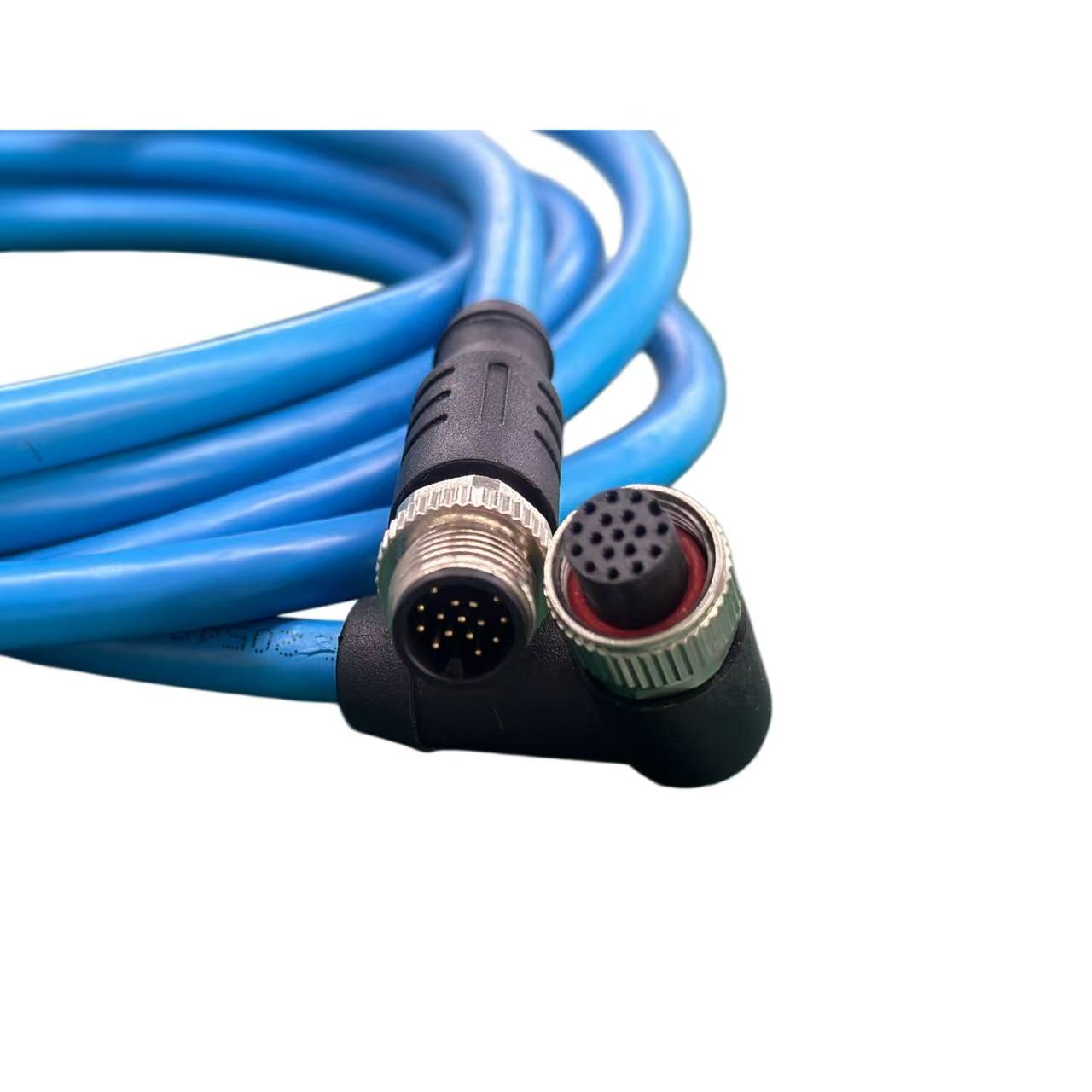
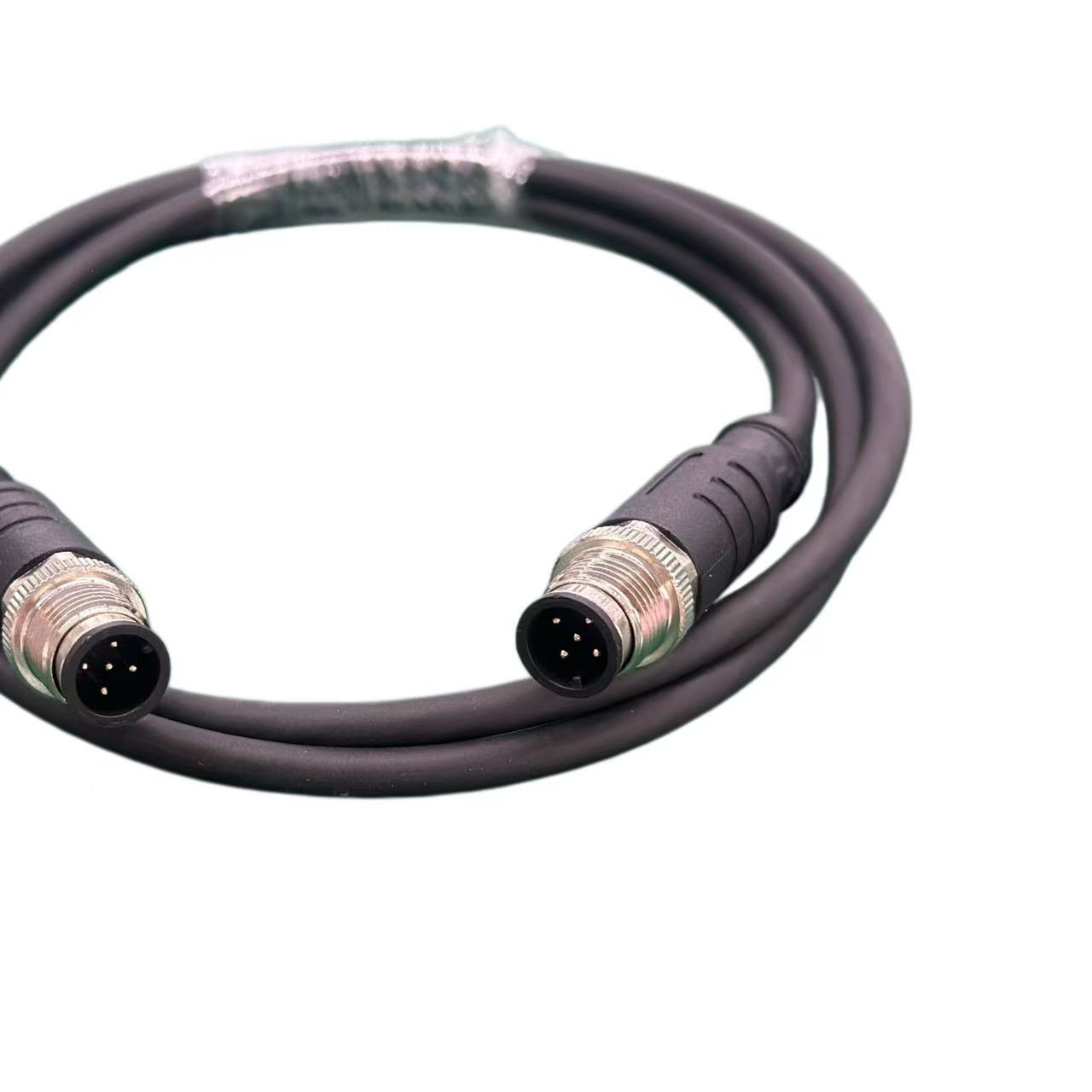
connector described as up to 10Gb/s must be paired with suitable cable,
compatible devices, and appropriate installation practice before the stated
rate becomes a realistic system target. The cause chain helps readers avoid two
opposite mistakes. The first mistake is dismissing the connector rating as
marketing only; that is too harsh, because the rating still identifies a
high-speed design intention. The second mistake is treating the rating as a
universal field result; that is too generous, because Ethernet link speed is
negotiated and maintained by the complete channel. A careful reader treats the
connector as a necessary component in a high-speed industrial Ethernet path,
then asks whether the rest of the path is also aligned with the same performance
expectation.