about us
News Center
Your current location:Home - About us - News center
Gold plating and beryllium copper are not separate upgrades. The
plating controls the contact interface, while the beryllium copper controls the
spring force that keeps that interface closed. In an imaging machine, both must
work together through thermal cycles and vibration.
Gold plating keeps the contact surface from forming insulating oxide
layers. On a twist pin contact, the gold layer also has to survive repeated
wiping and micro-motion. Thin plating lowers cost, but it can wear through
faster in a high-mating or high-vibration location. Thicker plating gives more
wear material, but it changes cost and may affect how the contact seats.
Ximeconn offers gold plating options of 0.8μm, 1.27μm, or custom thickness,
with base plating of 80 microinch and a gold layer of 50 microinch. For medical
imaging equipment, the right thickness depends on the mating cycles the service
plan expects, the vibration the joint sees, and the contact resistance limit
the signal chain can tolerate. Put the chosen thickness and acceptance test in
the technical agreement so the sample and production batch are measured the
same way.
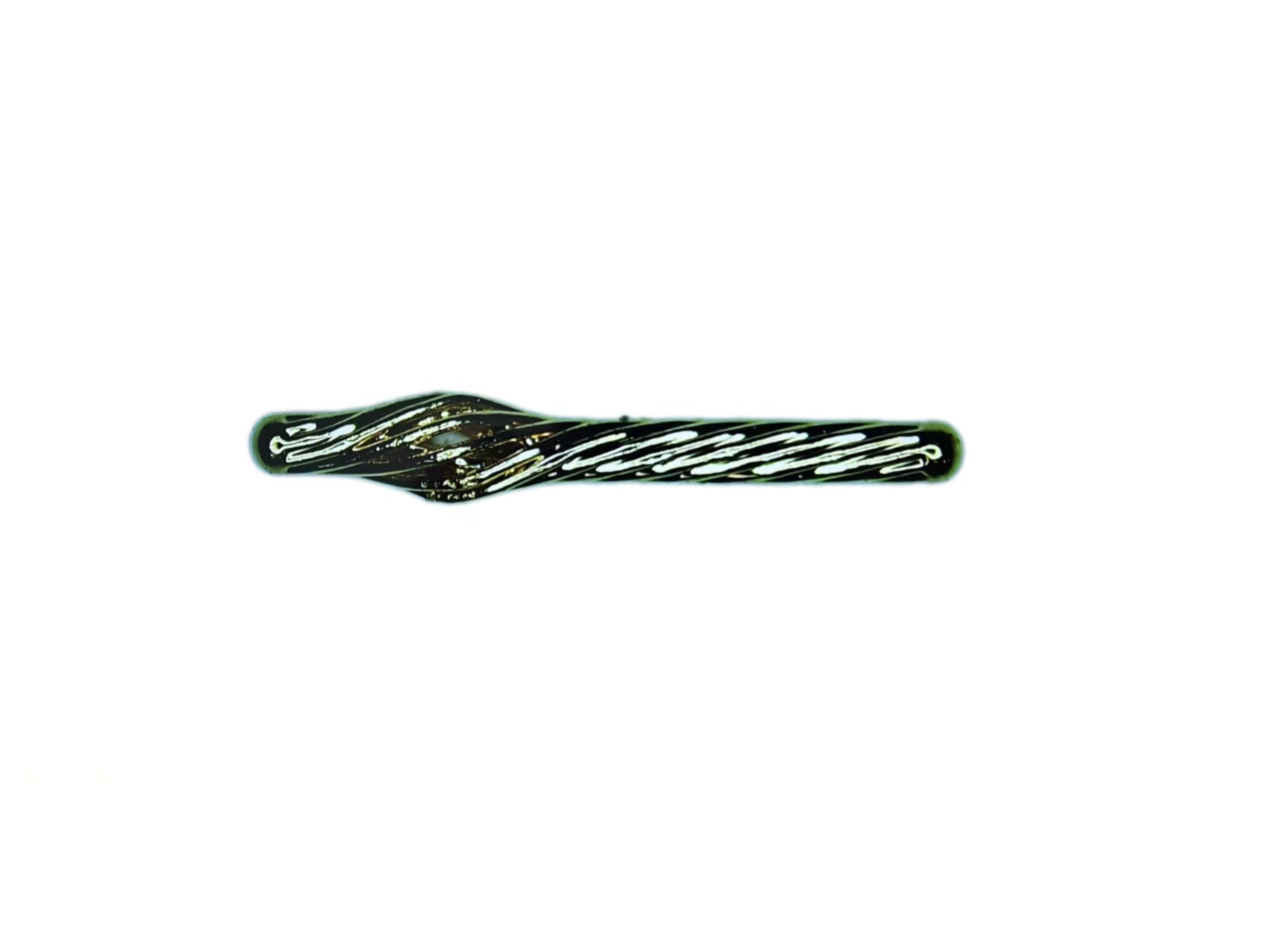
The spring side of the contact is where C17200 beryllium copper
earns its place. C17200 can be formed into fine wire, heat treated, and wound
into a concentric twist pin that stays elastic after many cycles. The needle
body uses C2680 brass, and the two ends are fixed by laser welding. A loose
strand or rough weld can change resistance or break during vibration. Laser welding
quality control depends on beam alignment and inspection discipline similar to
that described in AWS C7.2M. Vibration performance is 10Hz to 2000Hz at
294m/s², random vibration of 1.0g²/Hz with 41.7g RMS, and shock of 1200m/s². In
practical terms, the C17200 spring keeps several contact points touching even
when the housing moves, while the laser weld keeps the wire bundle together.